
Commercial LED Retrofits: A Practical Way to Lower Operating Costs
Lighting is easy to overlook until utility bills climb, fixtures begin failing, or employees complain about dim and inconsistent spaces. For offices, retail stores, warehouses, and other businesses across Plano, replacing outdated lighting with LED technology can reduce recurring expenses while creating a brighter, more comfortable environment.
A commercial LED retrofit is more than swapping a few bulbs. The right project accounts for fixture condition, light levels, controls, electrical capacity, code requirements, and the way each space is used. This guide explains the primary commercial LED lighting retrofit benefits, how to estimate potential savings, and what to expect during a professionally planned conversion.

Where an LED Retrofit Creates Savings
Upgrading office lighting to lower energy bills works because modern LEDs produce useful light with less electricity than many fluorescent, metal-halide, halogen, and incandescent systems. The improvement can be especially meaningful in spaces where lights operate ten or more hours per day.
Energy use is only part of the financial picture. A well-designed retrofit can reduce operating costs in several ways:
- Lower electricity consumption: Efficient fixtures require fewer watts to provide the necessary illumination.
- Less frequent maintenance: Long-rated lamp and driver life can reduce replacement labor, lift rentals, and inventory costs.
- Reduced cooling demand: LEDs generally release less heat into occupied areas than older lighting. That can ease some of the burden on air conditioning during the Texas heat.
- Smarter scheduling: Occupancy sensors, daylight harvesting, dimmers, and programmable controls prevent lights from operating at full output when they are not needed.
- Better use of the space: Consistent illumination can improve visibility, merchandise presentation, employee comfort, and perceived cleanliness.
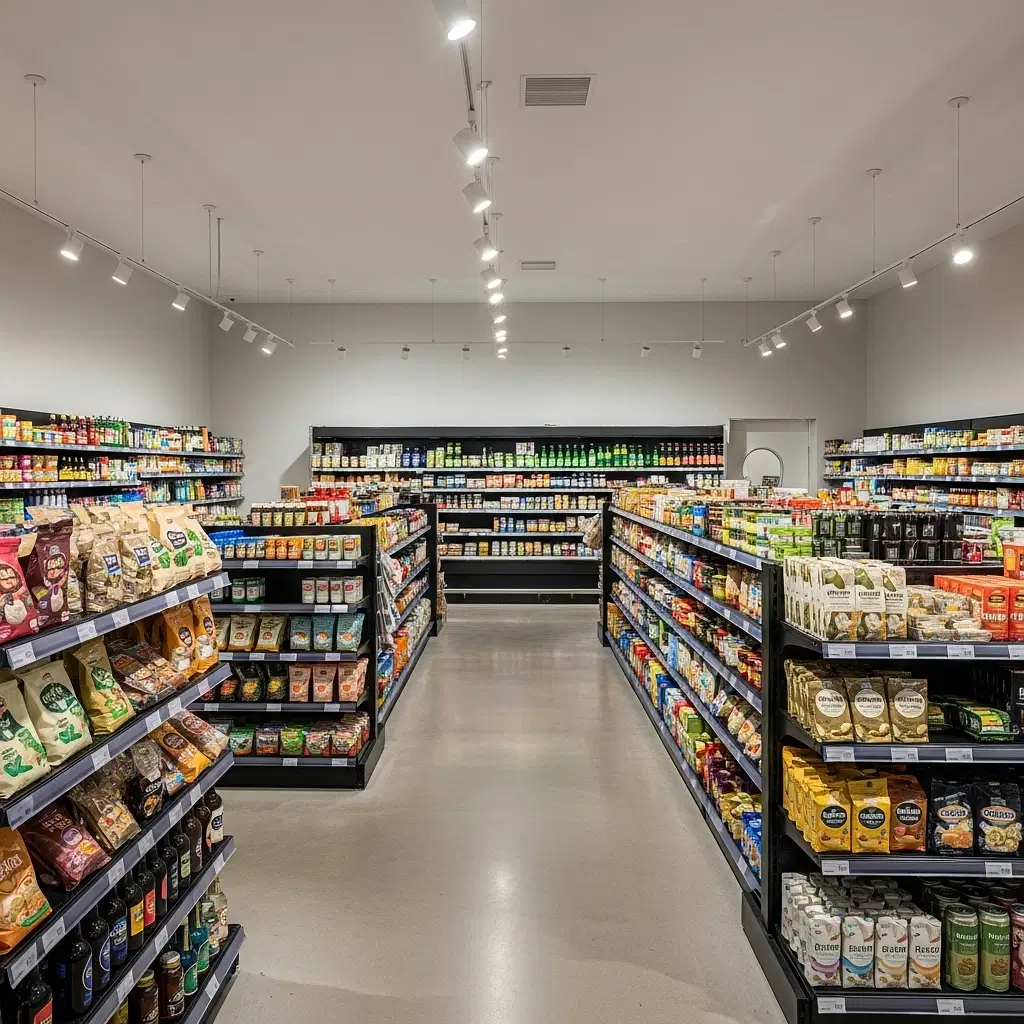
This is why a commercial LED conversion for retail spaces should consider more than utility savings. Color temperature, color rendering, glare, beam angle, and fixture placement all influence how products and interiors appear. Lumen Electric provides custom lighting solutions when a business needs both efficiency and a carefully planned visual result.
How to Evaluate the Potential Return
There is no responsible one-price-fits-all estimate for an LED retrofit. Project cost depends on the number and type of fixtures, ceiling height, access requirements, controls, wiring condition, operating schedule, and whether existing housings can safely be reused. Material pricing can also fluctuate, so an onsite evaluation provides a more dependable scope than a rough fixture count.
A useful assessment should document:
- Existing fixture types and wattages
- Weekly operating hours
- Current light levels and problem areas
- Replacement fixtures and expected wattage
- Control opportunities in intermittently occupied rooms
- Installation and disposal costs
- Available utility incentives or tax considerations
To estimate simple annual energy savings, subtract the proposed lighting wattage from the existing wattage, multiply the difference by annual operating hours, and then apply the facility’s electricity rate. Maintenance savings can be added separately. Dividing the project cost by estimated annual savings produces a simple payback period, although financing, incentives, and tax treatment may change the final calculation.
Businesses should also consider costs that are harder to place in a spreadsheet. Flickering lamps, dark parking areas, repeated service calls, and inconsistent lighting can affect safety and customer impressions. A professional evaluation from a licensed and insured electrical contractor can identify these concerns before recommendations are made.

Planning a Retrofit Without Disrupting Operations
For most property managers and business owners, the biggest concern is not whether LED lighting works—it is whether the installation will interfere with employees, tenants, or customers. A careful plan can divide work into zones, schedule shutdowns around operating hours, and identify fixtures that require lifts or restricted access.
The project should begin with an electrical and lighting survey. During this visit, the contractor can check circuits, panels, emergency lighting, grounding, fixture supports, and visible wiring conditions. Older buildings may reveal damaged ballasts, overloaded circuits, or modifications that should be corrected rather than covered by new fixtures.
Permits are not required for every simple lamp replacement, but projects involving new circuits, significant rewiring, panel work, or other alterations may require permits and inspections. Requirements vary by jurisdiction and project scope. That is one reason complex electrical work should be handled by a properly licensed professional rather than treated as a general handyman project.
Lumen Electric approaches commercial electrical services with an emphasis on customer satisfaction, high-quality workmanship, and durable materials. For a retrofit, that means explaining available options, defining the scope clearly, and selecting equipment suited to the environment—not simply choosing the least expensive fixture.
Businesses should ask prospective contractors several practical questions:
- Will the proposed fixtures provide appropriate light levels for each area?
- Are the products rated for damp, wet, high-bay, or enclosed locations where applicable?
- How will emergency and exit lighting be addressed?
- What warranties apply to fixtures, drivers, and labor?
- Can work be phased to minimize downtime?
- Who will handle permits and inspections if they are required?
Choosing Fixtures and Controls for Long-Term Value
Current commercial lighting trends emphasize controllability as much as efficiency. Networked sensors and programmable controls can adjust output according to occupancy, business hours, or available daylight. In a private office, a vacancy sensor may provide the greatest benefit; in a showroom, dimming and scene controls may support changing displays; in a warehouse, high-bay LEDs with aisle-based sensors can reduce unnecessary runtime.
Quality matters because a low-cost fixture that produces glare, shifts color, or fails prematurely can undermine the expected savings. Look beyond the initial price and compare rated life, warranty terms, driver accessibility, color rendering, color temperature, and compatibility with controls. Outdoor fixtures should also provide suitable weather protection and light distribution without sending unnecessary glare toward neighboring properties.
Ready to Review Your Commercial Lighting?
A successful retrofit starts with accurate information: what your current system consumes, how each space is used, and which improvements will deliver practical value. The goal is not to replace every fixture automatically. It is to build a phased or complete plan that lowers avoidable costs, supports safety, and improves the working environment.
Lumen Electric helps businesses in Plano and the surrounding service area with commercial electrical work, custom lighting, electrical repairs, panel upgrades, surge protection, EV chargers, and remodel installations. Contact Lumen Electric to schedule an evaluation and discuss an LED retrofit designed around your facility, operating hours, and budget.