
Understanding GFCI Outlet Requirements in Your Home
When it comes to home safety, your electrical system is one of the most critical components to maintain. Across the Metroplex, families rely on a steady, safe supply of electricity to power their daily lives, from brewing that morning coffee to charging electric vehicles overnight. However, as our power needs grow, so does the importance of modern safety mechanisms.
One of the most common questions we hear from homeowners is: What is a GFCI outlet and where should they be installed? Whether you are living in a brand-new build or a historic property, understanding these specialized outlets is essential for protecting your family from electrical hazards.
At Lumen Electric, our top priority is delivering high-quality workmanship that keeps your home safe and compliant with the latest National Electrical Code (NEC) updates. In this guide, we will break down exactly how these outlets work, where they are required, and how to know when it is time to call a professional to have them replaced.
How GFCI Outlets Prevent Electrical Shock
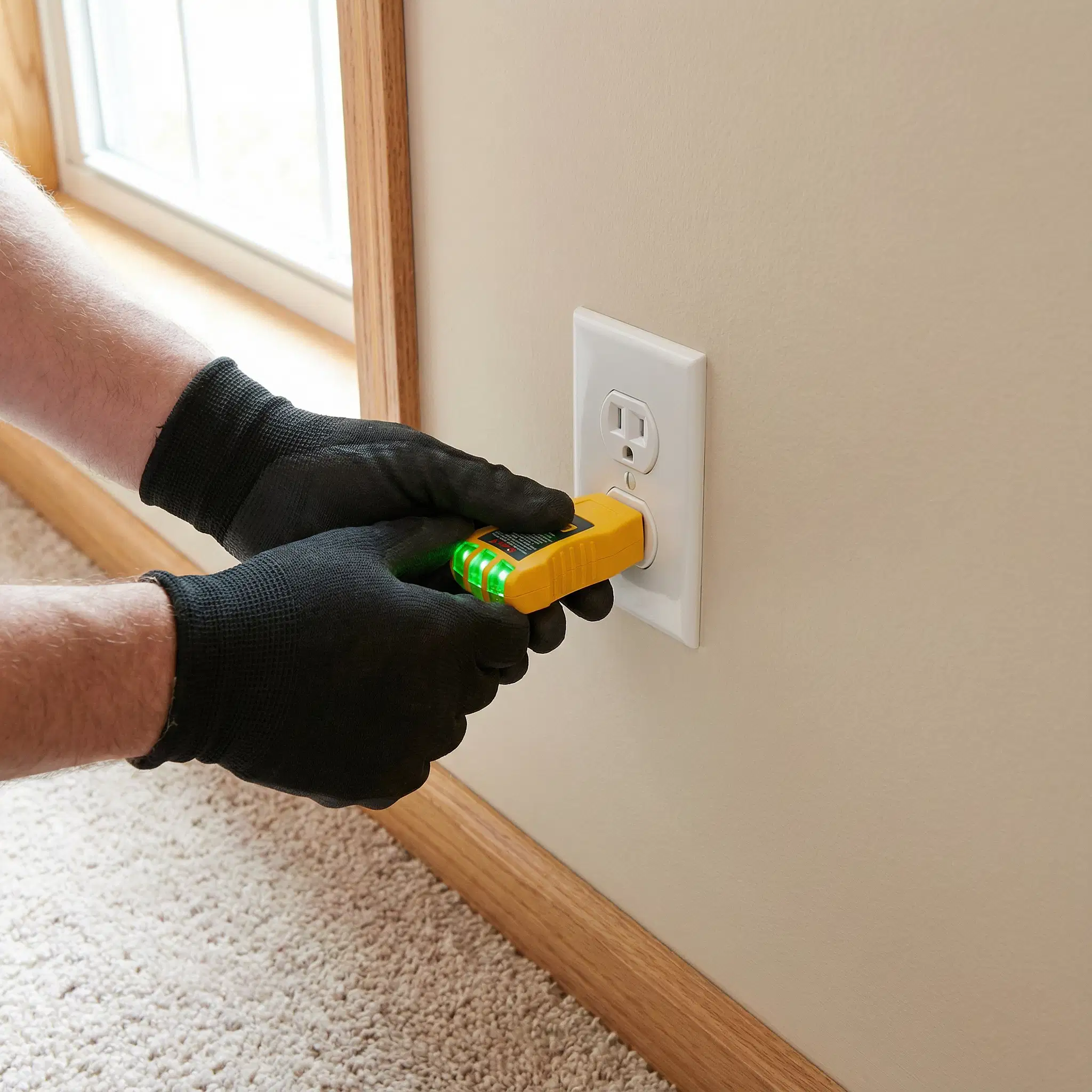
To understand why these devices are so heavily regulated, it helps to know the difference between GFCI and standard outlets. A standard outlet simply provides a continuous flow of electricity to whatever is plugged into it. If there is a surge or a short circuit, you might wonder, "why do my circuit breakers keep tripping?" The circuit breaker is designed to protect your home's wiring from overheating and starting a fire.
However, a Ground Fault Circuit Interrupter (GFCI) is designed to protect you. These specialized outlets constantly monitor the current flowing into and out of a plugged-in device. If the outlet detects even the slightest imbalance—as little as 4 or 5 milliamps—it assumes the electrical current is leaking somewhere it shouldn't, like through water or a person. In a fraction of a second, the GFCI cuts off the power.
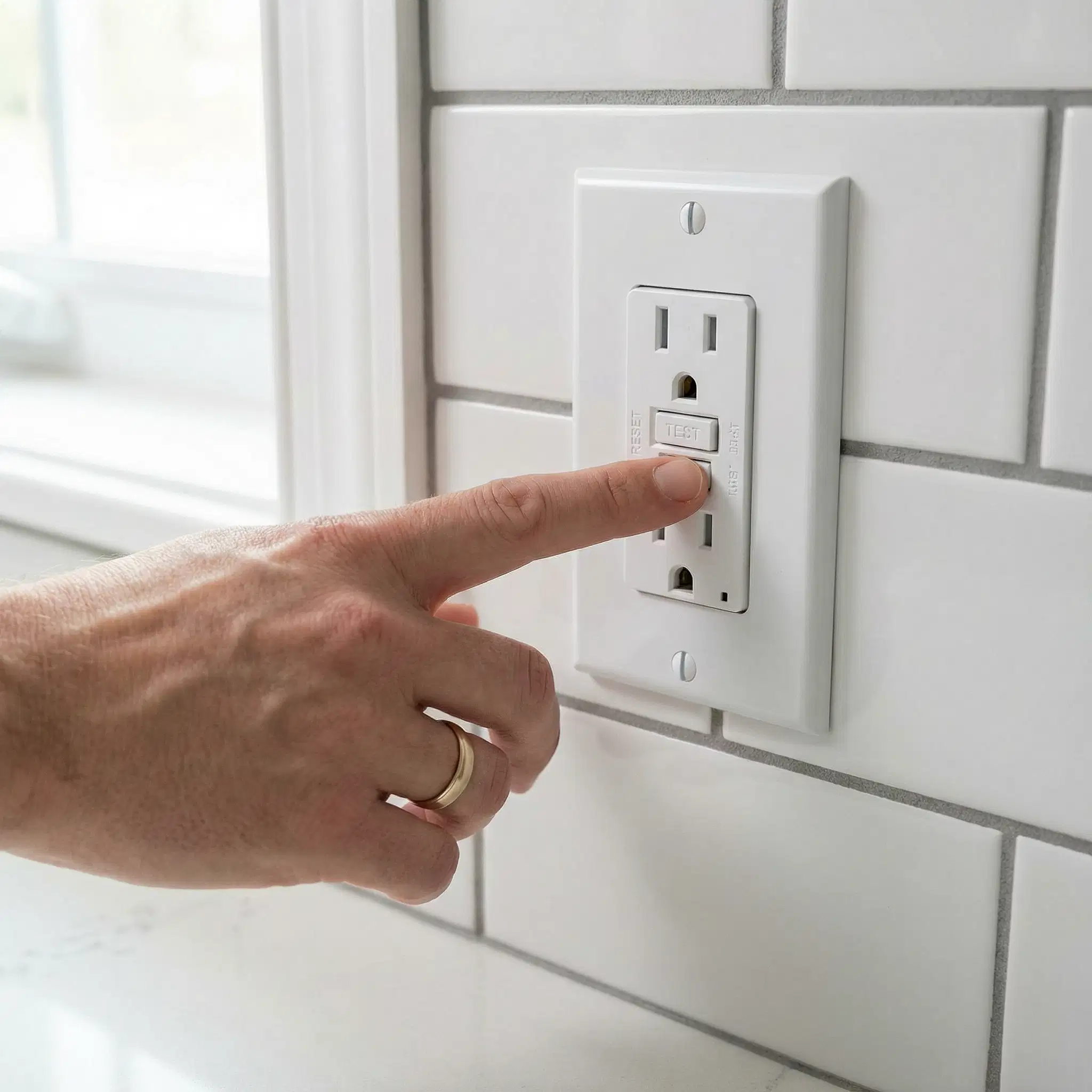
Understanding how GFCI outlets prevent electrical shock is crucial for recognizing their value. By shutting off the power almost instantly, they prevent severe burns, shocks, and even fatal electrocution. This targeted, immediate response is why they feature those familiar "Test" and "Reset" buttons right on the faceplate.
Where to Install GFCI Outlets in Older Homes
Modern electrical codes are very strict about where these life-saving devices must be placed. Generally, any area of your home where water and electricity might interact requires GFCI protection. This includes kitchens, bathrooms, laundry rooms, garages, unfinished basements, and all outdoor receptacles.
But what if your house was built decades ago? Knowing where to install GFCI outlets in older homes can be a bit more complex. Because older properties were built under previous safety codes, they might still have standard two-prong or ungrounded three-prong outlets near water sources. If you are planning any home remodels and additions, local building codes will require you to bring the electrical system up to current safety standards.
Even if you aren't remodeling, upgrading your outlets is one of the smartest safety investments you can make. While some homeowners worry about the electrical cost of system upgrades, updating your most vulnerable receptacles is a highly cost-effective way to achieve Texas-sized peace of mind. It is strongly recommended to replace all standard outlets in wet or damp locations with GFCI units to ensure maximum safety for your household.
Recognizing When It's Time for a Replacement
Like any mechanical device, GFCI outlets do not last forever. The internal circuitry that monitors the electrical current can wear out over time, especially in areas with high humidity or frequent use. Knowing the signs a GFCI outlet needs replacement can save you from a dangerous situation.
First, test your outlets monthly. Press the "Test" button; the power should immediately click off. When you press "Reset," it should restore the power. If the buttons are stiff, if they don't pop out when tested, or if the outlet continues to provide power even after being tested, the internal safety mechanism has failed.
Another red flag is if the outlet frequently trips for no apparent reason, or if you notice any physical damage like cracks, discoloration, or a burning smell. These are clear indicators of faulty wiring or a broken receptacle.
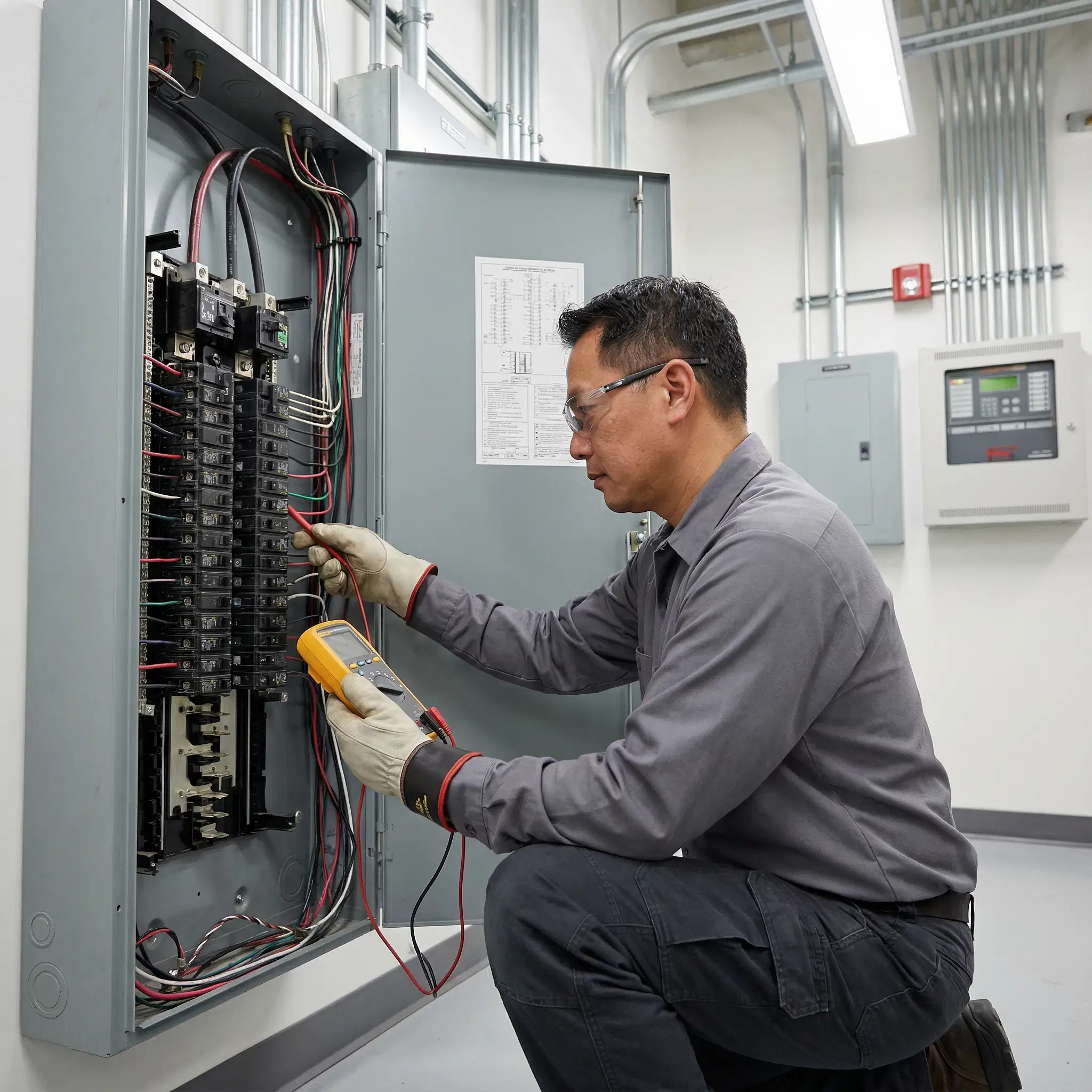
Many ambitious homeowners ask, "Is it safe to do my own DIY electrical work?" While swapping an outlet might seem like a simple weekend project, wiring a GFCI incorrectly can leave it completely unprotected, giving you a false sense of security. Incorrect wiring can also disrupt the entire circuit. For guaranteed safety and strict electrical code compliance, it is always best to rely on licensed professionals for your electrical repairs.
Trust the Professionals for Your Home Safety
Your home should be a safe haven for y'all to relax and recharge. By understanding how these essential safety devices work and ensuring they are installed in the right locations, you significantly reduce the risk of electrical hazards in your household.
At Lumen Electric, we believe in transparent, upfront pricing with no hidden fees, and we are dedicated to providing superior customer service and using only high-quality materials. Whether you are dealing with a stubborn tripped breaker, noticing warning signs of faulty wiring, or looking to bring an older property up to modern code, our licensed electricians are ready to help.
If you need to upgrade your home's safety devices or have any concerns about your current electrical system, reach out to us today for comprehensive residential electrical services. Let us help you keep the lights on and your family safe.