
Why Your AC Keeps Tripping the Circuit Breaker
When the air conditioner shuts off on a hot afternoon, resetting the breaker may seem like the quickest solution. But if it trips again—especially as soon as the AC starts—the breaker is warning you about an electrical or mechanical problem that should not be ignored.
This is a familiar issue for homeowners around Plano, where sustained summer demand can expose weak connections, overloaded circuits, and aging electrical panels. Below, we explain what the breaker is protecting, the most likely reasons an AC unit trips it, what you can check safely, and when the solution may require professional electrical repairs or a panel assessment.
What an AC Breaker Is Designed to Do
A circuit breaker interrupts power when electrical current rises above a safe level. Central air-conditioning equipment draws substantial power, particularly for the brief moment when its compressor and motors start. The breaker and wiring should be sized to accommodate that normal demand while disconnecting the circuit during an overload, short circuit, or ground fault.
A single trip can occasionally follow a temporary power disturbance. Repeated trips are different: they indicate that the circuit is drawing more current than expected or that the breaker cannot carry the load reliably.
Do not repeatedly reset a breaker or replace it with a higher-amperage model. Installing a larger breaker without confirming the wire and equipment ratings can allow wiring to overheat, increasing the risk of insulation damage or fire.
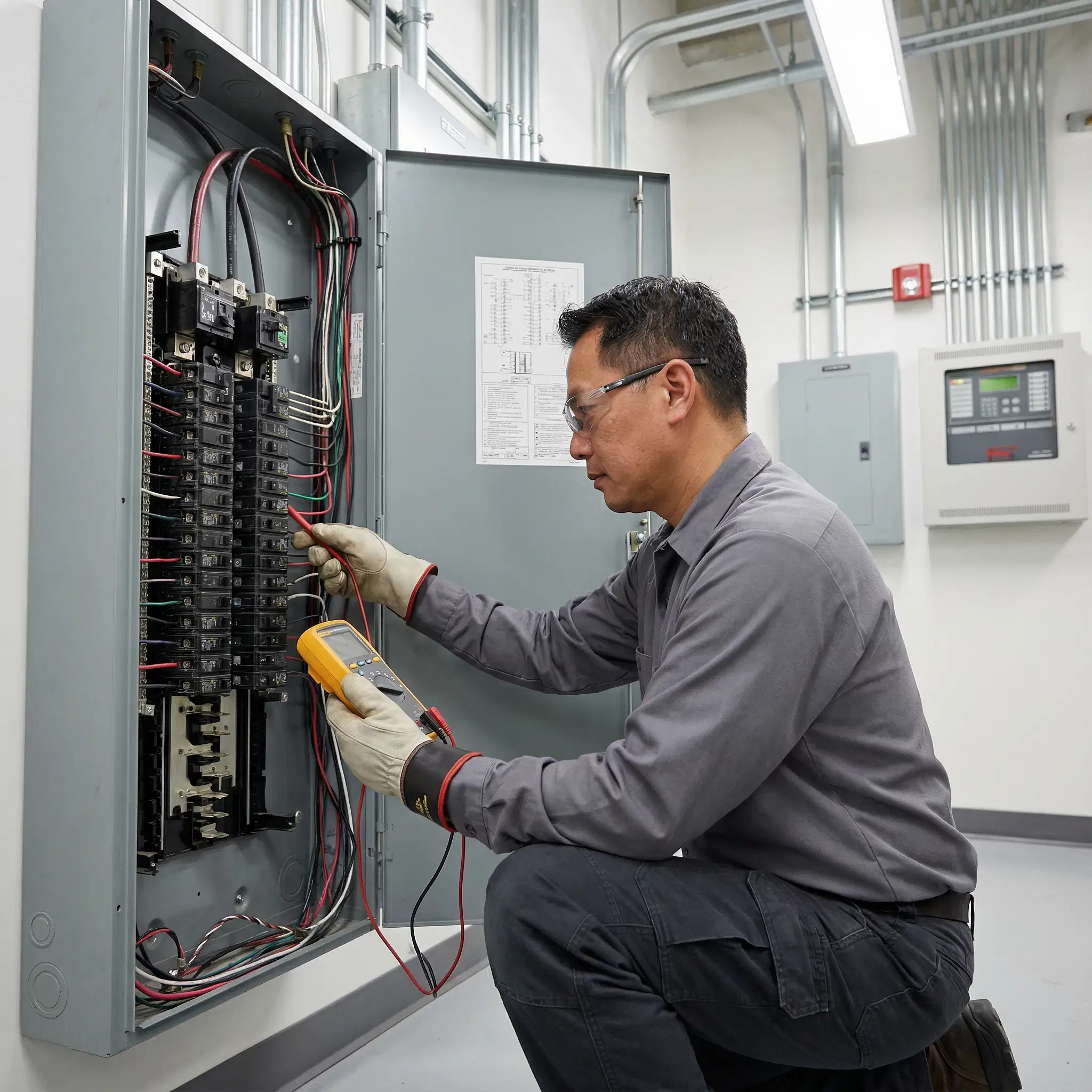
Common Reasons an Air Conditioner Trips Its Breaker
Several problems can produce the same symptom, so accurate diagnosis matters.
A dirty filter or restricted airflow
A severely clogged filter makes the system work harder and can contribute to overheating. A blocked return, dirty evaporator coil, or obstructed outdoor unit may cause similar stress. Changing an accessible filter is a reasonable homeowner task, but internal coil cleaning belongs to an HVAC professional.
A failing compressor, fan motor, or capacitor
A worn motor or compressor may draw excessive current. A weak capacitor can also make startup difficult, sometimes explaining why an air conditioner trips the breaker immediately. These are generally HVAC equipment repairs, although an electrician may need to verify the circuit supplying the unit.
A short circuit or damaged wiring
Loose terminals, deteriorated insulation, weather exposure, or damaged conductors can create dangerous current flow. Burning odors, buzzing, discoloration, or a warm panel require prompt attention. Shut the system off and arrange an inspection rather than continuing troubleshooting.
An overloaded or incorrectly sized circuit
Central air equipment normally requires a dedicated circuit breaker. If other loads share the circuit, or if the wire and breaker do not match the equipment specifications, startup demand can trigger a trip. Renovations and replacement HVAC systems can also change a home’s electrical requirements.
A worn breaker or aging panel
Breakers can weaken after years of heat and repeated operation. Loose connections or obsolete panel components may also be involved. With the Texas heat pushing cooling equipment through long cycles, marginal components often become noticeable during peak season.
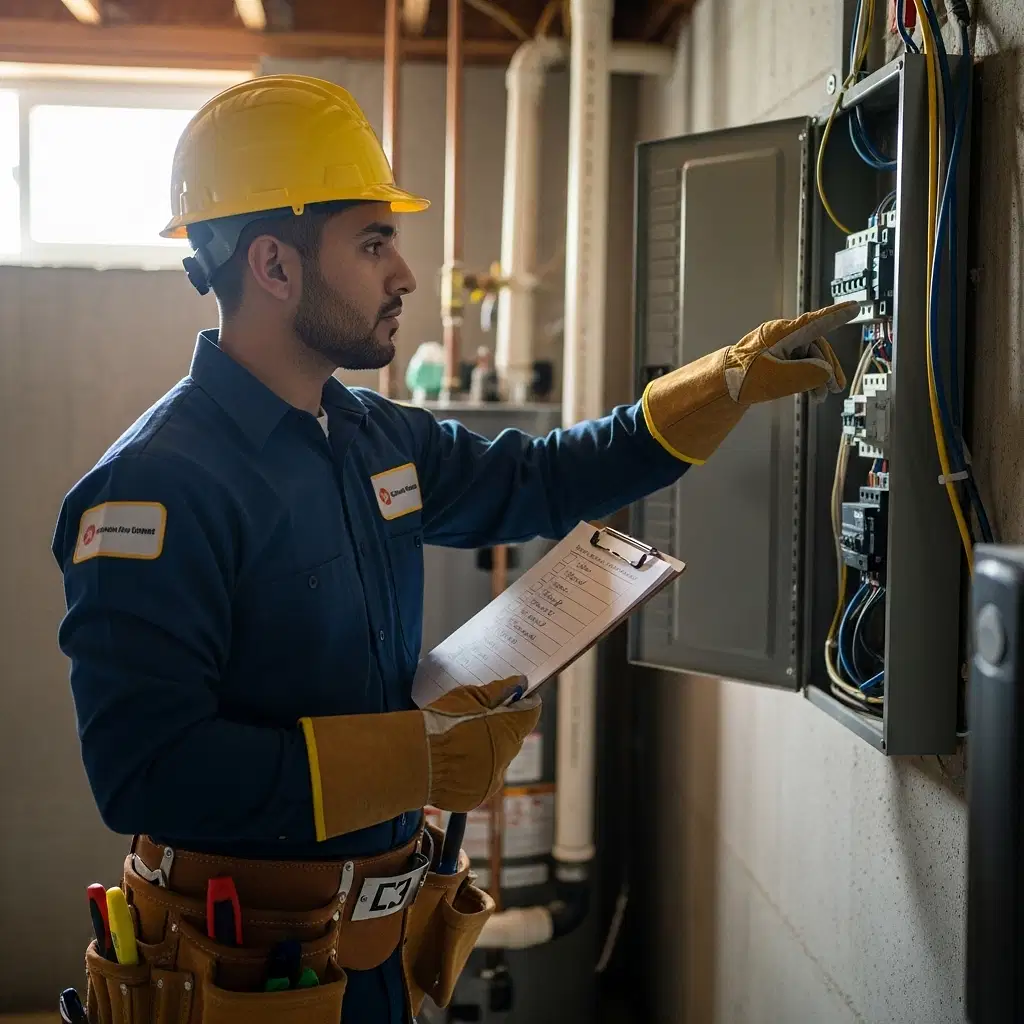
Safe Troubleshooting Before You Call
Start with observations that do not require removing covers or touching electrical components:
- Turn the thermostat off and note which breaker tripped.
- Check and replace a dirty HVAC filter if you can do so safely.
- Confirm that return vents and supply registers are open and unobstructed.
- Look for leaves or debris restricting airflow around the outdoor condenser, but do not open it.
- After allowing the equipment to cool, reset the breaker once by moving it fully to OFF and then back to ON.
If it trips again, leave it off. Also stop immediately if you notice smoke, a burning smell, crackling, melted plastic, visible damage, or unusual heat at the panel. Smoke or an active fire calls for emergency services.
The timing of the trip can help the technician. A breaker that opens instantly may point toward a short or severe startup problem. One that trips after several minutes may suggest overheating or sustained overcurrent. Note recent changes too, such as a new condenser, appliance, EV charger, remodel, or recurring light flicker.
Does the Home Need a Repair or a Panel Upgrade?
Not every AC-related breaker trip means the electrical panel must be replaced. The answer depends on measurements, equipment ratings, conductor condition, available panel capacity, and the overall condition of the service.
A qualified electrician may inspect:
- Breaker size compared with the HVAC nameplate requirements
- Wire gauge, insulation condition, and termination quality
- Voltage and current during operation
- Signs of overheating inside the panel or disconnect
- Whether the air conditioner has a properly configured dedicated circuit
- Available capacity for current and planned household loads
A straightforward breaker, connection, disconnect, or circuit issue may be resolved through targeted repairs. A panel upgrade may make more sense when the panel is deteriorated, lacks capacity, uses obsolete components, or cannot safely support additions such as modern cooling equipment, an EV charger, or smart-home technology.
Permits and inspections may be required when a panel or service is upgraded. Lumen Electric’s process includes an initial assessment, management of necessary permitting, and completion using high-quality workmanship and materials. That approach helps ensure the solution addresses the underlying load—not just the symptom.
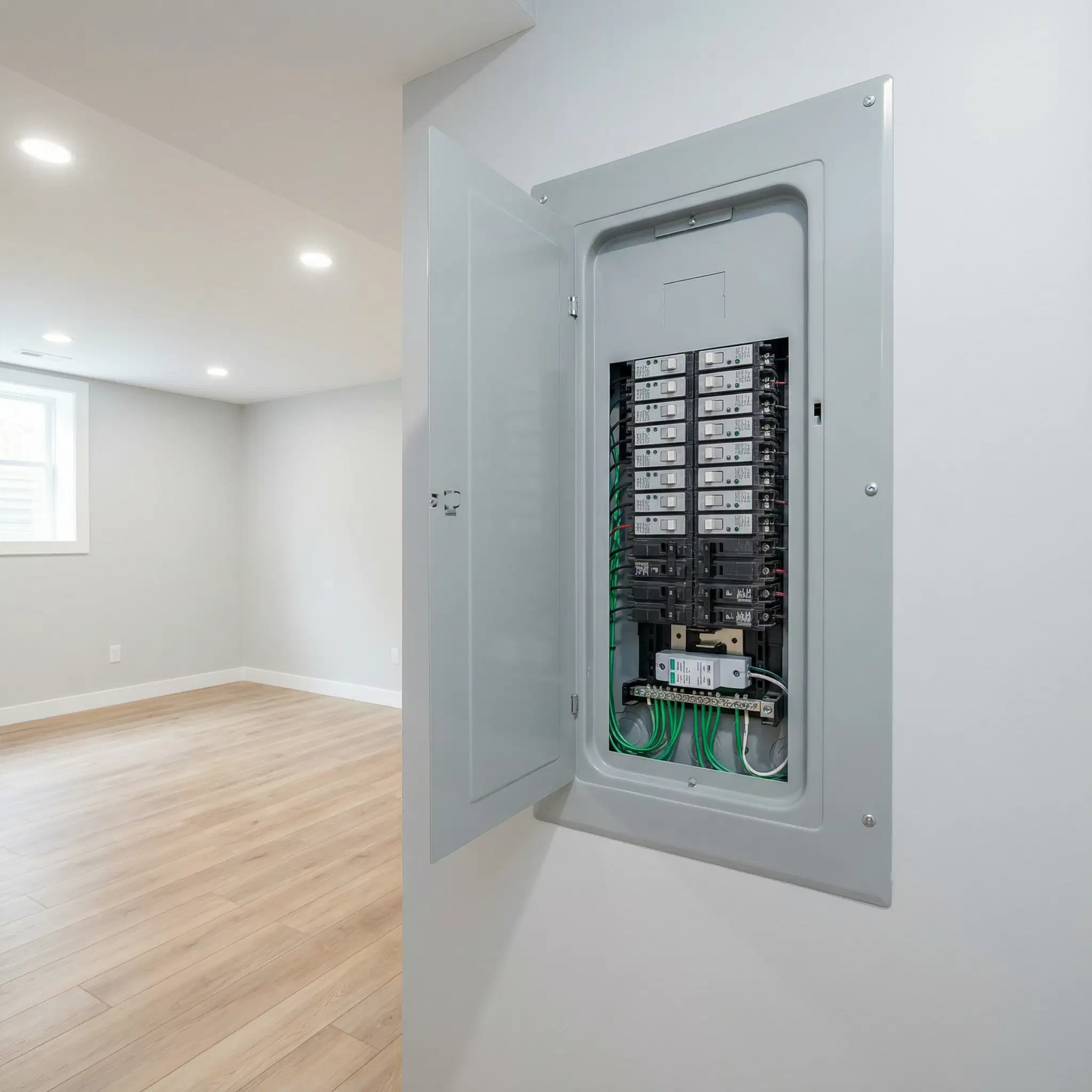
Keep a Tripping Breaker From Becoming a Bigger Problem
An AC breaker that repeatedly trips is doing its job. The cause could be restricted airflow, failing HVAC equipment, damaged wiring, an overloaded circuit, or an aging panel, but repeatedly restoring power is not a safe fix. Limit yourself to basic visual checks and one reset; after that, leave diagnosis to qualified professionals.
Lumen Electric provides residential electrical services, circuit troubleshooting, surge protection, panel upgrades, generators, EV chargers, and related electrical improvements. If your cooling system is losing power or your panel seems unable to handle your household demand, contact Lumen Electric to arrange an assessment from the team based in McKinney. Call (903) 227-1806 and let us help identify a safe, durable solution before the next stretch of summer heat.